Smart Filtration in Heavy Industries: Protecting Workers in Cement and Steel Manufacturing
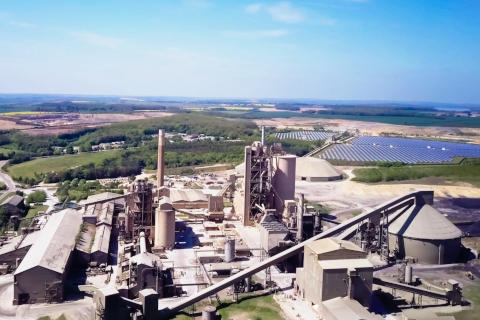 In heavy industries such as cement and steel manufacturing, the invisible risks are often the most damaging and hazardous. Environments in these sectors are constantly circulating hazards such as dust particles, microscopic contaminants, and air laden with respirable debris. For many years, plant operators have accepted this as part of the trade and an unavoidable by-product of large-scale production in manufacturing units. But advances in smart filtration are beginning to challenge that assumption. Today, it is now possible not only to protect machines from damage but also to safeguard the operators, who are the primary users of these plants.
The importance of clean air in cement and steel plants extends far beyond merely implementing regulations. It involves the reliability of the equipment, increases the lifespan of the critical parts, and most importantly, secures the staff’s well-being. Although filtration may seem to be a less significant component in the overwhelming machinery of industrial production, it actually represents the difference between long-term success and the sustainability of operations.
The Human Side of Filtration
Inside a cement grinding unit or a steel rolling mill, in an environment where both humans and machines face a hostile situation. Besides equipment, airborne cement dust, iron oxide particles, and oil mists can affect the lungs of the workers. People working close to the kilns, the crushers, or the blast furnaces sometimes inhale invisible particulate matter.
This is the moment when smart filters integrated with technologies like HEPA filtration become the game changers. While often thought of only in the context of food and pharmaceutical facilities, HEPA filters have also found their place and demonstrated efficiency in the heavy industry sector. Their high-efficiency particle capture capabilities mean that they not only create a cleaner environment for the process, but also drastically reduce the risks of respiratory illnesses among workers. Hygiene and safety, which were once considered secondary in heavy manufacturing, are now part of core operational planning.
For many companies, the realization is straightforward: the healthier the workers, the fewer absences, the higher the satisfaction, and the more consistent the productivity. Protecting staff is not only a necessity, but also a key factor in determining the plant’s performance and overall production.
What Makes Filtration “Smart”?
In the past, filtration was treated as a static safeguard, where it was installed and replaced periodically, with the hope that it would hold. However, operating this way is no longer sufficient in today’s highly competitive industries. What makes filtration “smart” is its integration with monitoring and predictive maintenance.
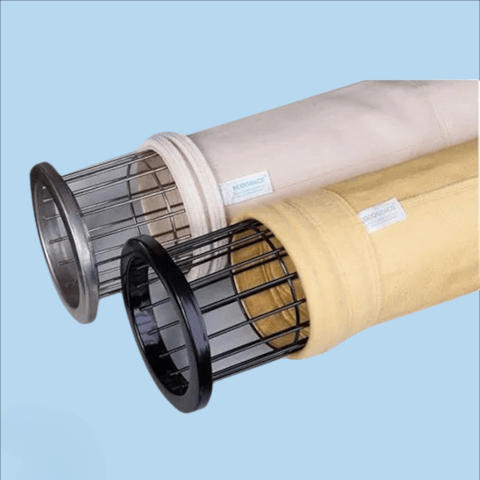 The essential features of modern smart filtration include:
- Highly advanced filter media engineered to endure high temperatures and chemically aggressive environments typical for cement kilns and steel furnaces.
- Digital monitoring utilizing pressure sensors to recognize clogging before it influences production.
- Custom designs that take into account particle size, dust type, and air flow rates, which are unique to each facility.
This flexibility enables filters to function not in isolation but as part of the plant’s reliability strategy, which is directly connected to lubrication performance and machinery uptime.
Reliability Through Clean Systems
On the machinery side, where the filtration plays a critical role. Every particle that enters a hydraulic system, compressor, or lubrication line poses a potential danger. Dust particles can erode valves, scratch cylinder walls, and degrade lubrication quality. Over time, this silent assault leads to unplanned downtime, higher maintenance costs, and equipment that doesn’t work as long.
The smart filtration systems address these issues beforehand. By maintaining appropriate levels of contaminants and according to the flow rates or filter loads, they ensure machinery takes in only clean lubricants and air. The result is an easier time for the valve, less wear on bearings, and better thermal control in the engines and compressors. The net benefit is remarkable, as machines live longer, less energy is used, and the entire plant operates more efficiently and dynamically.
Learning from Field Experience
Across the industry, examples are emerging where smart filtration has transformed plant outcomes. A steel manufacturer in southern India, for instance, introduced smart filtration across its lubrication systems. Within a year, they recorded a 40% drop in bearing failures and noticed a significant reduction in oil replacement cycles. Not only did this save on procurement costs, but it also reduced waste oil disposal, and is an often-ignored sustainability benefit.
Similarly, a cement plant experimenting with HEPA-grade dust control systems found that worker absence due to respiratory issues dropped during peak grinding operations. This improvement not only boosted productivity but also reshaped the company’s reputation as a safe employer in a traditionally high-risk sector in the heavy industries. These case studies reinforce an essential truth that smart filtration is not a theoretical upgrade, but it delivers measurable results.
The Bigger Picture with the Operations and Culture
Manufacturers typically focus on efficiency, output, and profitability. However, the current manufacturing scenario requires a more holistic approach and increased productivity. Reliability, sustainability, and the worker’s health are no longer optional; they are the keys to long-term success.
While the benefits are clear, adopting smart filtration is not without its initial hurdles. The transition requires a significant upfront investment in sensor technology, digital monitoring infrastructure, and integrating these systems with legacy machinery. Plant managers must plan for specialized maintenance training to handle these advanced filters and their monitoring software, ensuring the technology’s full potential is realized.
Smart filtration takes this transformation to the next step. It is a perfect example of how a technical intervention, such as better filters, more intelligent monitoring, and cleaner lubrication, can lead to a cultural shift. Workers are feeling more secure, the maintenance teams are getting more effective, and the plant operators can trust their machines. The site, previously perceived as a harsh environment where risk was a constant lure, becomes an ecosystem where human beings and machinery coexist sustainably.
The transition in culture is imperative. Heavy industries face mounting expectations from regulators, communities, and investors. Plants that neglect to address worker safety or environmental concerns not only risk monetary fines but also risk losing their social licence to operate. However, those that embrace sustainable techniques, such as smart filtration, show themselves to be responsible and forward-thinking, which prepares them for the future.
Looking Ahead
 The use of automation and digital technologies accompanies the journey to smart filtration. The new technologies embedded in filters can monitor and record air pollution levels, the particle count, as well as the filter’s lifespan. The information they can collect can be used by predictive maintenance systems, which will enable directors to identify potential errors and rectify them before they occur.
For the cement and steel manufacturing industries, where operational margins are so thin and pressure is high, foresight remains precious. It helps to back the smoothly running machinery, minimizing wasted resources, and, in turn, ensures a worker’s well-being at the workplace. The workers are now able to breathe cleaner air, and as a result, they are making better strides in their health.
Smart filtration is no longer a niche consideration reserved for clean room or laboratory systems. In the heavily polluted and high-temperature chambers of cement and steel plants, it has become one of the primary operational standards and a means to safeguard the lives of the workers. The effects were evident through the dramatic change in machinery, as their lifespan and time to heal (lubricate) were extended with cleaner air and dust-free oil.
For manufacturers tasked with balancing efficiency, safety, and sustainability, the answer is clear: where filtration is not only about preventing dust, but also about transforming the plants into cleaner, safer, and more reliable workplaces in the future.
