Wellness At Work
Hydration at Work: The Most Underrated Productivity Hack
Recognise dehydration-related fatigue, manage heat exposure and build simple hydration habits that support focus, safety and performance.
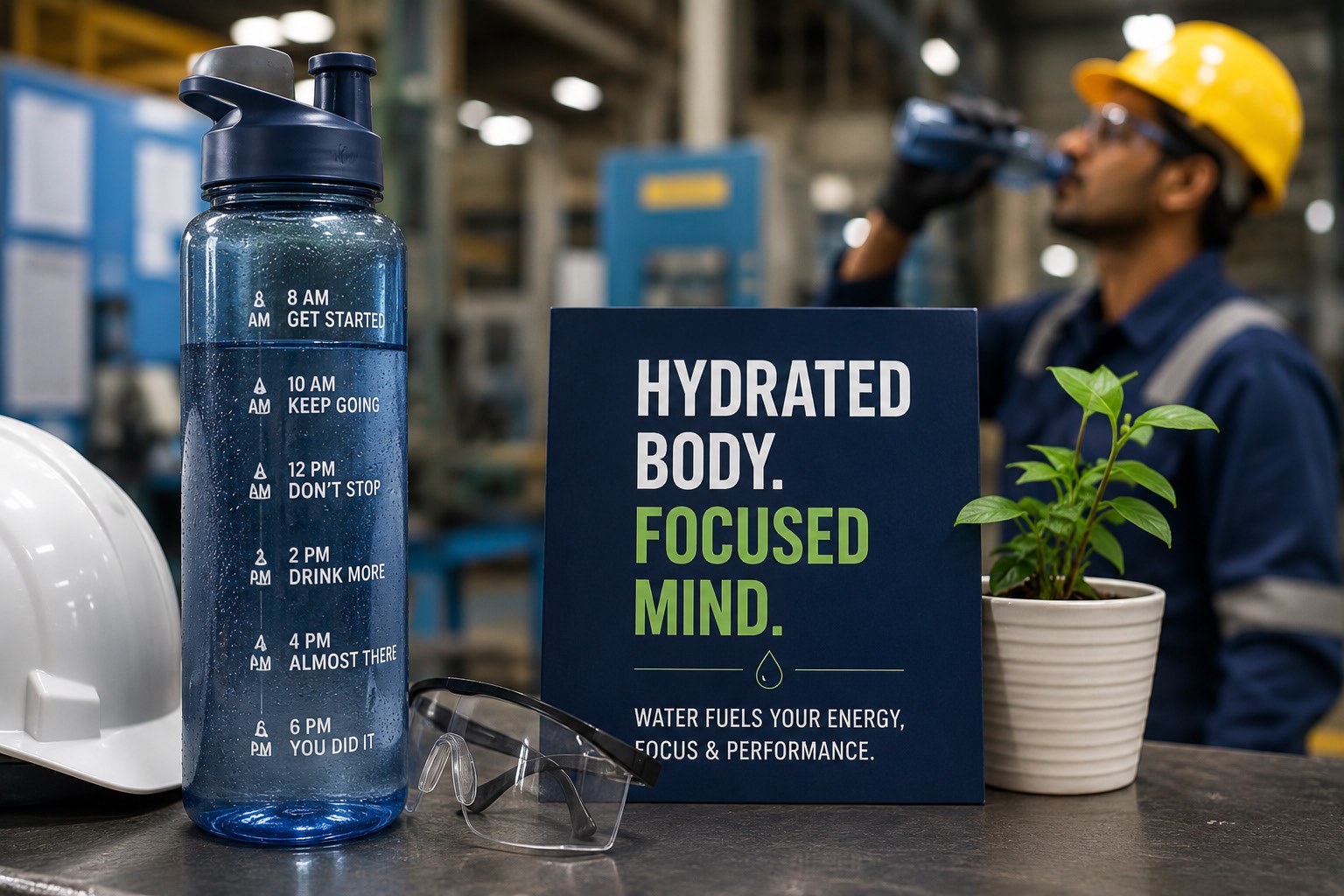
When productivity drops during the workday, most people blame long hours, heavy workloads, or lack of sleep. Rarely does anyone pause and think: Have I had enough water today? Hydration is one of the simplest health habits, yet one of the most overlooked.
While professionals actively think about improving focus, energy, and performance, many ignore a basic fact — the body and brain cannot function efficiently without adequate fluids. Even mild dehydration can quietly affect concentration, mood, alertness, and physical performance. And in workplaces where precision, safety, and quick decision-making matter, this becomes more important than most people realize.
The truth is, sometimes what feels like exhaustion is simply dehydration in disguise.
Dehydration and Fatigue: The Connection
Water does much more than quench thirst. It helps regulate body temperature, transport nutrients, support digestion, and maintain brain function. When fluid levels drop, the body has to work harder to perform routine tasks.
As dehydration sets in, oxygen and nutrients are delivered less efficiently, leading to symptoms that many professionals mistake for stress or fatigue. Common signs include:
Feeling unusually tired
Headaches
Difficulty concentrating
Dizziness
Irritability
Reduced energy levels Research has shown that even a 1–2% loss of body water can affect cognitive performance and reduce mental alertness. In simple words, less water can mean less focus.
Heat Exposure in Industrial Environments
For professionals working in plants, production floors, outdoor sites, or high-temperature environments, hydration becomes even more critical. Exposure to heat increases sweating, which means the body loses water and essential minerals faster. Without proper replacement, this can lead to fatigue, muscle cramps, reduced concentration, and in some cases, heat-related illness.
People often wait until they feel thirsty to drink water. However, thirst is usually a late signal that the body is already beginning to dehydrate. Instead of reacting to thirst, make hydration a proactive habit.
Electrolytes vs. Plain Water
Plain water should remain your primary source of hydration throughout the day. But there are situations where the body loses more than just water. During prolonged heat exposure, excessive sweating, or physically demanding work, minerals like sodium and potassium are also lost.
This is where electrolytes can help. Choose plain water when:
You are doing routine work in a normal environment
Your activity level is moderate Consider electrolyte support when:
Working long hours in high heat
Sweating excessively
Experiencing physical exertion over extended periods Electrolytes are useful, but more isn’t always better. Simple options such as lemon water with a pinch of salt, coconut water, or ORS during demanding days can be practical choices.
How to Track Hydration
Hydration does not need to become another complicated wellness target. Try these simple strategies:
Carry a water bottle that stays with you throughout the workday
Take a few sips every hour instead of drinking large amounts at once
Drink water during routine activities — before meetings, after calls, or during breaks
Notice the color of your urine — pale yellow generally indicates good hydration
Increase intake during hotter days or physically demanding work We often search for complicated solutions to improve performance at work: productivity techniques, supplements, or energy boosters. Sometimes the answer is far simpler. Hydration directly affects how we think, feel, and perform. Better focus, stable energy, improved mood, and reduced fatigue can begin with something as basic as drinking enough water.
About the Author
Jhumpa Mukherjee is a health educator and wellness speaker who believes that well-being and productivity go hand-in-hand. She conducts engaging health awareness sessions for corporates and professionals across industries, making fitness and mental wellness simple, science-backed, and achievable. Would you like to bring a health session to your workplace?
Let’s connect!
Keep reading